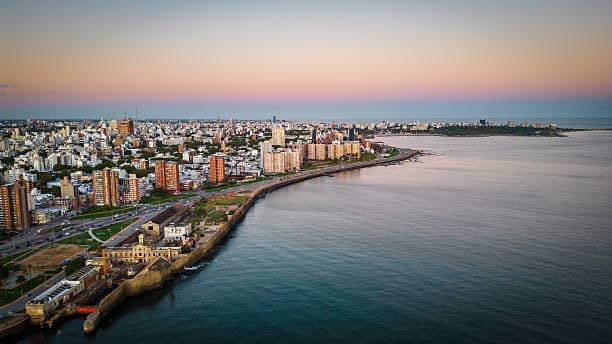
Guías Neighborhoods of Montevideo

Neighborhoods of Montevideo

Pocitos, Palermo, Ciudad Vieja, Cordón, Carrasco—each neighborhood has its own unique character. This guide tells you what to expect from each one, the actual prices, and who they’re best suited for.

ViviendaMontevideo

Montevideo is a compact city—it takes just 30 minutes to drive from one end to the other. That means the neighborhood you choose won’t confine you: you can be in Ciudad Vieja drinking mate and in Pocitos strolling along the promenade all in the same day. Even so, each neighborhood has a very distinct character, and choosing wisely can make a big difference in how you experience the city.

Pocitos — The quintessential expat neighborhood

Pocitos is where most foreigners end up, and for good reason. It has the best promenade in Montevideo, an urban beach, upscale supermarkets, international restaurants, and a high concentration of coworking spaces.

  • The vibe: modern, safe, international. More of a city than a neighborhood.
  • Who it's for: digital nomads looking for comfort from day one, expat families, and relocating executives.
  • Rent: Among the highest in the city. Modern furnished studio apartments starting at ~$600–850 USD/month. Two-bedroom apartments starting at ~$800–1,200 USD/month.
  • The best part: the promenade for running or biking, weekend markets, and everything within walking distance.
  • The downside: it can feel generic. If you're looking to immerse yourself in the local culture, it might fall short.
Community Tip

In Pocitos, it’s best to look on the streets parallel to the promenade (Bulevar España, Rivera, Benito Blanco) for more reasonable prices without sacrificing the neighborhood’s amenities.

Palermo — For those who want to live like a local

Palermo is the neighborhood of choice for those who already know Montevideo and are looking for somewhere with a bit more character. It borders Parque Rodó and boasts the city’s highest concentration of bars, specialty coffee shops, and nightlife.

  • The vibe: artsy, youthful, bohemian. Tree-lined streets, bustling with activity from Wednesday through Saturday.
  • Who it's for: remote workers looking for a local community, creatives, people aged 25 to 40.
  • Rent: reasonable. Furnished studio apartment starting at ~$400–600 USD/month.
  • The best parts: the food scene, cafes perfect for working, the park just two blocks away, and weekend flea markets.
  • The downsides: noisy on weekends on the main streets. Fewer large supermarkets.

Old Town — History, culture, and affordable prices

Ciudad Vieja is the historic center of Montevideo: colonial buildings, the bay, museums, and the Mercado del Puerto. It is the neighborhood that has changed the most in recent years, with significant investment in restoration and a growing number of bars and restaurants.

  • The vibe: historic by day, lively by night in the revitalized areas. A mix of offices, tourism, and residential life.
  • Who it's for: architecture enthusiasts, people who work downtown, and those who want to be in the heart of the city.
  • Rent: varies widely. New apartments in renovated buildings are expensive; traditional ones are very affordable.
  • The best parts: the architecture, the Mercado del Puerto on Sundays, easy access on foot to the entire downtown area, and the bay.
Important

Old Town has areas that are quite different from one another. The streets near the promenade and the Mercado del Puerto are the safest and liveliest. Check it out at different times of day before renting.

Cordón — The Neighborhood of Those Who Stay

Cordón is the most quintessentially "Montevideo" neighborhood of them all. Unpretentious, centrally located, and full of grocery stores, bakeries, squares, and genuine neighborhood life. It’s where college students, artists, and locals who value affordability over status live.

  • The vibe: authentic, laid-back, central. The city as Uruguayans experience it.
  • Who it's for: immigrants looking to settle in, people on a tight budget, and those who already know Montevideo and want to get off the expat trail.
  • Rent: Among the most affordable in the downtown area. Unfurnished studio apartments starting at ~$300 USD/month.
  • The best parts: price, central location, authentic neighborhood vibe, close to everything.
  • The downsides: fewer international restaurant options, and some older buildings that aren't well maintained.

Punta Carretas — Quiet and safe

Punta Carretas is the quietest neighborhood along the coast. It is a residential, well-maintained area featuring Montevideo’s most traditional shopping mall and a bustling central square. It is popular among professionals and families with a slightly higher budget.

  • The vibe: upscale, quiet, family-friendly. Wide sidewalks, trees, little noise.
  • Who it's for: professionals with a steady income, families, and those who value peace and quiet over nightlife.
  • Rent: high. Similar to Pocitos or slightly more expensive. Two-room apartments starting at ~$1,000–1,500 USD/month.
  • The best part: safety, quality of life, and proximity to the promenade without the hustle and bustle of Pocitos.

Carrasco — For families with a high budget

Carrasco is Montevideo's most exclusive neighborhood: spacious homes, gardens, quiet streets, close to the airport, and home to the city's best bilingual schools.

  • The vibe: residential, family-friendly, safe. More like the suburbs than the city.
  • Who it's for: families with children, executives relocating for work, and those who prioritize safety and space.
  • Rent: the highest in Montevideo. Family home with a garden starting at ~$2,500 USD/month.
  • The best features: safety, green spaces, proximity to the airport, international schools.
  • The downside: it's far from the nightlife and cultural scene. You need a car for everything.
Which one is it for you?

First time in Uruguay: Pocitos or Palermo. On a tight budget: Cordón or Parque Rodó. With family: Punta Carretas or Carrasco. Want to fit in: Cordón or Ciudad Vieja. The NomadUY community has a housing board with verified options.

Download the free guide

"Your First 30 Days in Uruguay" — everything you need to know before and after you arrive, in a PDF you can take with you.

No spam. Just the guide. Promise.